

Lung Cancer Screening
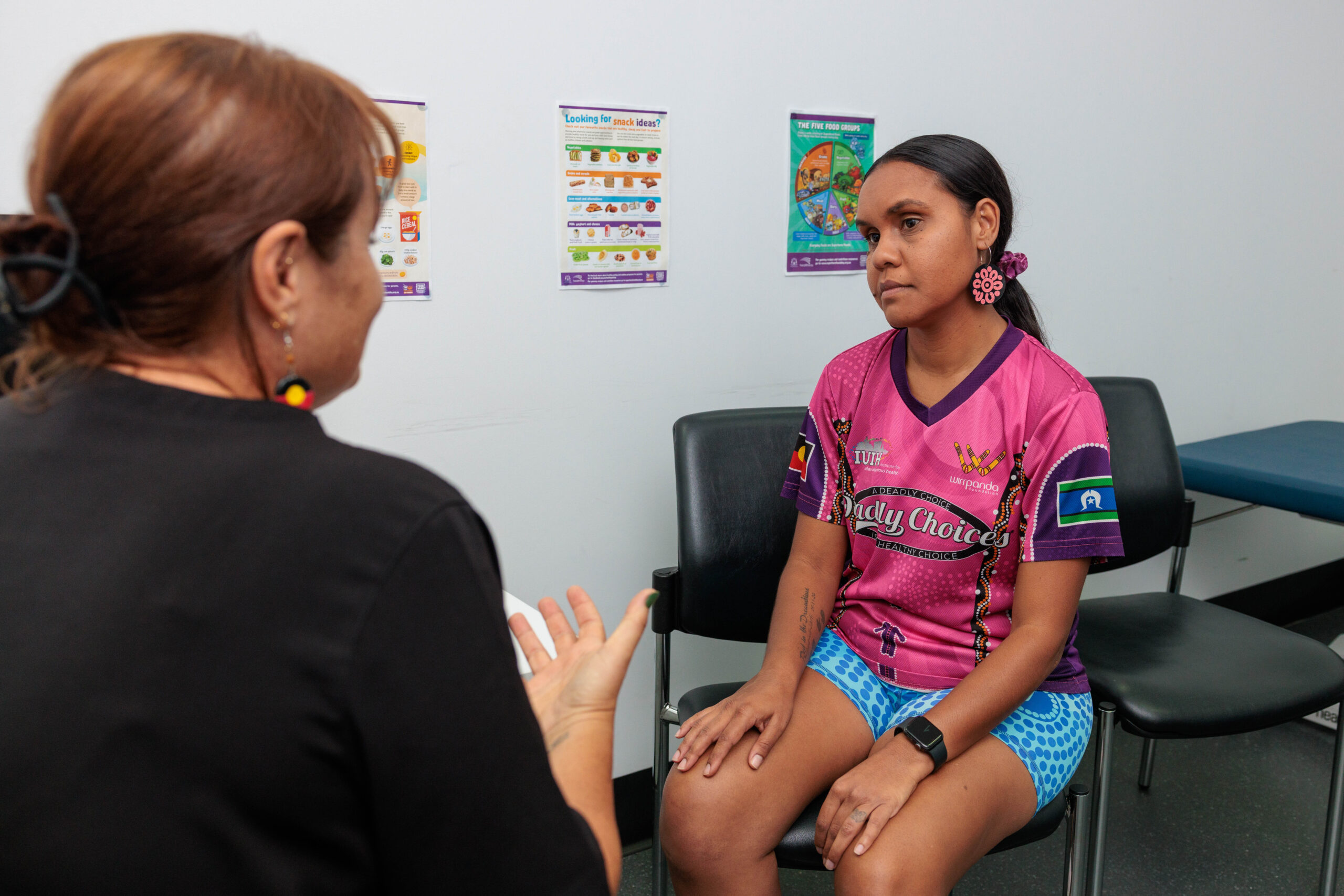


Lung cancer often doesn’t show any signs or symptoms until it is quite advanced. This can make lung cancer difficult to treat. The screening program uses low-dose computed tomography (CT) scans to check for lung cancer in people at higher risk. These scans can find cancer early, even before you feel sick.
Why is lung cancer screening important?
Lung cancer is the most common cancer and the leading cause of cancer death in Aboriginal and Torres Strait Islander people.
The chances of survival are much better when it is found early, but many people do not know they have lung cancer until it is at a later stage when there are less treatment options.
Lung cancer screening can:
- Find lung cancer early before you have symptoms.
- Improve treatment options for people with lung cancer by detecting it early
- Save lives by catching cancer early, more people can get life-saving treatment in time.
Who should get screened?
Screening commences in July 2025 for Mob who:
- are aged between 50 and 70 years
- show no signs or symptoms of lung cancer
- currently smoke or have quit smoking in the past 10 years.
- have smoked 20+ tobacco cigarettes a day for most of their adult life.
If you are not sure how many packs you have smoked, or if you have any questions about your smoking history or the lung screening program, have a yarn with your doctor or health worker.
Your doctor can:
- check if you are eligible by asking about your age and smoking history
- answer any questions you might have
- and if you are happy to take part in the screening, they can refer you for a low-dose CT scan.
You can find the address and phone number of your nearest clinic here.
How often will I need a scan?
If you are eligible for the National Lung Cancer Screening Program, you will have a low-dose CT scan every 2 years to help find lung cancer early.
- If your scan is clear, you’ll be invited back in two years.
- If the scan shows something that needs checking, you might need another scan sooner — in three, six, or 12 months, depending on what’s found.
- You may also be referred to a specialist for more tests or treatment if needed.
What does the lung cancer screening look for?

Lung cancer screening uses a low-dose CT scan to check for small lumps in the lungs, called nodules.
Nodules are common, and most are not cancer. Sometimes lung cancer screening may find something that is not lung cancer but might still need follow-up or treatment.
Sometimes the scan can find other things in or near your lungs (such as your bones, heart, or thyroid gland) that also need to be checked.
What happens next?
- You may need another CT scan in 3, 6, or 12 months to see if anything changes.
- You may be referred to a lung specialist (respiratory doctor) or other medical specialist for more tests depending on what is seen on the scan.
- If nothing serious is found, you will be invited back for your next routine scan in 2 years.
It’s important to know..
Having a nodule or needing more tests does not mean you have lung cancer.
How is the screening done?
The screening is done with a low-dose CT (LDCT) scan. It is quick, painless, and can find lung cancer early, even when you feel well.
During the scan you will need to lie flat on your back and raise your arms above your head, more preparation details are explained in the next section.
How to prepare for a lung screening
The lung cancer screening is simple and doesn’t take long. You don’t need to do much to prepare you can eat, drink, and take your regular medicines as normal.
Before your scan:
- Get a referral from your doctor or nurse practitioner
- Talk to your doctor or health worker about where you can get screened in your area
- If you have questions or concerns, ask your doctor
- Plan to wear comfortable clothing and remove any jewellery such as rings, watches, necklaces and any piercings. You may be asked to change into a gown for the scan.
During your scan:
Results take some time but are usually available within one week of having your scan done.
- You may be asked a few simple questions, like whether you can lift your arms above your head for 5 to 10 minutes.
- You’ll lie on your back with your arms above your head.
- You’ll need to hold your breath for a few seconds and keep still during the scan.
- The appointment will take about 10 to 15 minutes and there are no needles. This is a quick, painless scan that takes pictures of your lungs to look for anything unusual.
- A specialist (radiologist) will check your lung images.
- If there are no abnormalities found on your scan, the National Cancer Screening Register (NCSR) will let you know, and you will receive a reminder from the NCSR in two years’ time to screen again.
- If there are any abnormal findings on your scan, you will get advice on what to do next from the NCSR. Your usual doctor will guide you on whether you need more scans or to see a medical specialist.
- Results take some time but are usually available within one week of having your scan done.
How much does the screening cost?
Lung cancer screening is free for Mob with Medicare.
Take action
- Talk to your doctor about whether lung cancer screening is right for you.
- Ask for support if you would like help to quit smoking.
- Here is more information on how to quit smoking.
Early screening can save your life. Taking action now is the best way to protect your lung health.
What do lungs do?
Your lungs are two large organs in your chest that help you breathe.
Your lungs are essential for life; they provide your body with oxygen.
What is lung cancer and why is it serious?
Lung cancer is a disease when abnormal cells grow out of control in the lungs. These cells can form a lump or tumour that stops lungs from working properly.
Lung cancer is one of the leading causes of cancer death in Aboriginal and Torres Strait Islander people in Australia. It is often not found until it’s in the later stages.
Over time, lung cancer can spread to other parts of the body if it’s not found and treated early. That’s why screening is so important even if you feel well.
What are the symptoms of lung cancer?
The main symptoms of lung cancer include:
- a persistent, new cough (lasting more than 3 weeks)
- a change in an existing cough
- feeling short of breath for no reason
- chest or shoulder pain
- chest infection that does not go away (after 3 weeks) or keeps coming back
- coughing or spitting up blood.
Other symptoms may include:
- feeling very tired
- unexplained weight loss
- pain in your belly
- joint pain
- difficulty swallowing
- hoarse voice or wheezing.
Please note:
These symptoms can also happen by other illnesses or by smoking, not just lung cancer.
If you notice any of these symptoms, yarn to your doctor or call Mob Link on 1800 254 354.
What if I have symptoms?
Lung cancer screening is not available for people who already have symptoms.
If you have any unexplained or ongoing symptoms, you need different tests, not screening.
Please see your doctor straight away if you notice any symptoms, or call Mob Link on 1800 254 354.
What causes lung cancer?
Smoking tobacco is the main cause of lung cancer. The risk of lung cancer increases the longer you have smoked and the more cigarettes you have smoked over your lifetime.
Other causes and risk factors:
- Second-hand smoke: breathing in other people’s cigarette smoke can also increase lung cancer risk.
- Exposure to harmful substances and air pollution: breathing in things like asbestos, diesel fumes, radon and some heavy material may increase your risk of developing lung cancer.
- Family history: if you have a family history of lung cancer, you may be at a higher risk of developing lung cancer yourself.
- Lung disease: you may have a higher chance of developing lung cancer if you already have a lung disease such as pulmonary fibrosis, pulmonary tuberculosis or chronic obstructive pulmonary disease (COPD).
It’s important to know:
- Not everyone who gets lung cancer is a smoker.
Some people develop lung cancer even if they have never smoked, but the risk is much lower. - Even if you have smoked, quitting smoking at any age can reduce your risk.
- If you would like to quit smoking, you can contact your nearest clinic here or call Quitline on 13 78 48 for personalised support to help you quit.
- The longer you stay smoke-free, the healthier your lungs can become.
- Quitting smoking at any stage is good for your health!