

Cervical Screening
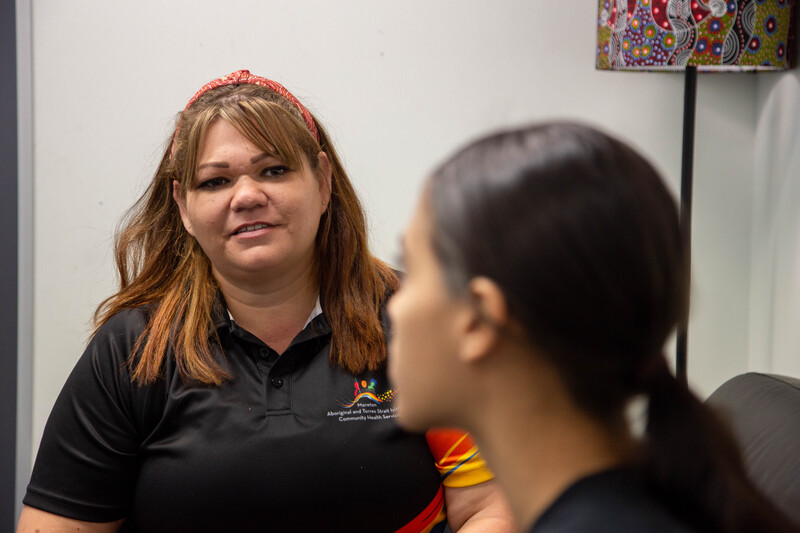


Cervical Screening tests have changed. We don’t always need an examination with a doctor or a nurse. We can now choose to swab ourselves for Women’s Business. It’s easy and just as accurate as if the doctor or nurse did it.
Take control – even if you have avoided a PAP Smear / Cervical Screening Test (CST) for a long time. You can collect a swab or get support from a nurse or doctor to do it.
Who is this for?
All women and people with a cervix.
We all need to do this, even if you have:
- been in a long-term relationship with only one person
- been through menopause
- female partner(s)
- had the HPV vaccine
- not being sexually active for a long time
- only had one sexual partner
Starting from age 25, you will need a test every five years until you’re 74.
How does the test work?

The CST detects a virus called HPV. It’s super common but some types can cause problems. Our immune system usually clears HPV without treatment, but if it stays around for a while, there is a risk that it might cause abnormal cell changes.
In some cases, these cell changes lead to cancer, but this takes many years, and changes can be treated if found early.
While the old PAP test could only detect abnormal cell changes, the CST test now detects the HPV virus.
Keeping up to date with the test helps us to know when to keep an eye on things more closely and helps us to stay ahead of changes
How do I get a CST?
Have a yarn with the doctor, nurse, or health worker at our clinic or GP practice and ask for a CST. They can check if you’re due or overdue. They will yarn through the options including collecting your own swab.
Tell them if you have any symptoms like unusual bleeding, discharge, or pain, as it might be best to have a full check-up instead.
What happens next?
Your doctor or nurse will yarn through the results when they come back from the lab (this can take a couple of weeks).
9 out of 10 tests are negative (this means no sign of the HPV virus and you can come back in 5 years for your next test).
If the test finds HPV, don’t panic, this doesn’t mean you have been diagnosed with cancer. The doctor will need to do an examination to check the cells and then let you know what’s needed. If the cells are okay, you will need another test in 12 months to keep an eye on things. Sometimes you’ll need a referral to be checked by a gynaecologist.
If you receive a referral to be checked by a gynaecologist, you will have an examination known as a ‘colposcopy’. See below for more information.
Based on the results of this examination, they will then let you know what the next step is. Always remember to attend follow-up appointments if directed.
Colposcopy
A colposcopy is a procedure used to examine the cervix for abnormal cells using a special instrument called a colposcope. A colposcope looks like a pair of binoculars with a bright light, allowing the doctor to view the surface of the cervix and vagina.
Why is a colposcopy recommended?
A colposcopy is often recommended to examine the cervix for abnormal cells, particularly when:
- a cervical screening test (previously known as a Pap smear) shows abnormal results.
- a client has abnormal bleeding, such as between periods, after sexual intercourse, or after menopause.
This procedure helps your doctor to better understand the changes in your cervix and decide if treatment is necessary to prevent cervical cancer.
Why is colposcopy important?
A colposcopy helps detect early changes in the cervix, allowing for treatment to reduce the risk of cervical cancer. By following up on abnormal screening results, you’re taking an important step in protecting your health.
If you have been referred for colposcopy after your Cervical Screening Test, remember it’s an important procedure for maintaining your health.
How do I prepare for a colposcopy?
If you have any questions or concerns about the colposcopy procedure, yarn with your doctor or nurse. Please let them know if you are pregnant.
It is best to schedule your colposcopy when you are not on your period. For 24 to 48 hours prior to the procedure, avoid:
- douching
- having sexual intercourse
- using tampons
- using vaginal medicines.
Wear comfortable clothing or a skirt, which will make it easier when you need to undress from the waist down.
Is a colposcopy painful?
A colposcopy is generally not painful. You might experience some discomfort during the procedure. If a biopsy is taken, you may feel minor period like cramp for a short time immediately after the biopsy is taken. Most people find the procedure manageable and can return to their normal activities right afterward. If you have concerns about pain, discuss them with your doctor before the procedure.
What happens during a colposcopy?
Before the procedure, your doctor will yarn with you and explain what will happen during the procedure and address any concerns. Please let the doctor know if you are on your period, allergic to iodine and acetic acid solution, or pregnant. The colposcopy will be done in a clinic, respecting your privacy.
The procedure is quick and usually takes up to 20 minutes.
You can ask your doctor to explain what they are doing, to stop at any time or to be gentle if needed.
What happens next?
If a biopsy is taken, you may feel period like cramps for a short time after the biopsy and you
may experience spotting for a few days. Most women can get back to normal activities right
after the colposcopy. We recommend avoiding tampons, menstrual cups, lubricants,
creams, or douches for two weeks afterwards. Use panty liners or pads instead. During this
time, showers are fine, but you should avoid vaginal sex, swimming, bathing and spas.
In rare cases, infection or bleeding may occur. Contact your doctor if you:
- experience heavy bleeding or bleeding that last more than 5-7 days
- notice a fever, foul-smelling vaginal discharge, or intense abdominal (belly) pain.
Ask your doctor or nurse at our clinic today about the self-collect swab option for your Cervical Screening Test (CST).