

Breast Cancer Screening
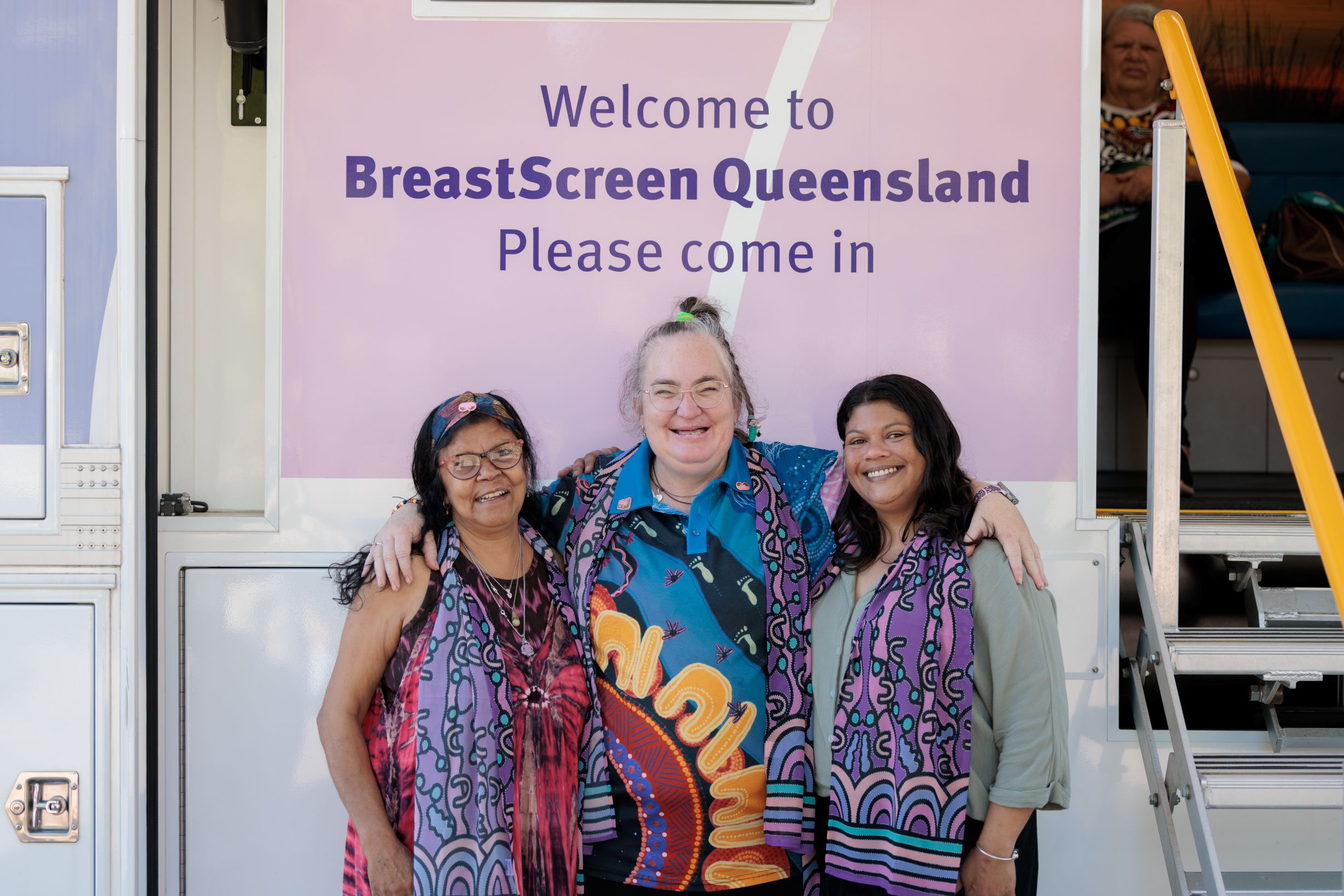


It is important to get a breast screen every two years, even if you don’t have any symptoms. This helps find breast cancer early, when it’s too small to feel by you or your doctor. Cancers that are small are usually more easily treated. Breast screening can help to find breast cancer early and leads to better treatment outcomes!
Why should I get breast screening?
Breast screening is a healthy choice because:
- Early detection saves lives: Finding cancers early means you have a better chance of treatment working to cure the cancer.
- There may not be any symptoms: Early-stage breast cancer can exist without obvious symptoms. Breast screening can find breast cancer before you notice any changes.
Who is breast screening for?
Breast screening or mammogram is generally recommended for:
- Women aged 50 to 74: are recommended to have a free breast screen (also called as mammogram) every two years, as this is the age group that is most affected by breast cancer.
- Women aged over 40 or over 75: Women in these age groups can also get free breast screening but should yarn through the benefits and risks with their doctor.
Breast screening or mammogram is generally not recommended for:
- Women aged under 40: Mammograms are less effective at detecting breast cancer in women under 40 because the breasts of younger women are usually denser than those of older women. Dense areas of breast tissue appear white on X-rays, and breast cancers also appear white. This makes it harder to find cancers in the X-rays of younger women’s breasts. If you are under 40 and concerned about breast cancer due to family history or any recent changes in your breasts, yarn with your doctor to work out what other tests need to be arranged.
How much does breast screening cost?

Breast screening through the BreastScreen Queensland program is free for all women aged 40 years and over.
When should I get a breast screen or mammogram?
It is recommended to have a breast screen (also called a mammogram) every two years if you are aged between 50 to 74. Women in this age group will typically receive an invitation to screen. If you haven’t received an invitation, call BreastScreen Qld to make an appointment or book online. Breast screening is recommended for this age group because the risk of breast cancer increases with age.
Women aged 40 to 49 years who have a higher risk due to family history, genetic mutations, or other factors may need to start screening earlier, as advised by their doctor. Some women may continue regular screenings beyond 75, depending on their overall health, risk factors and in consultation with their doctor.
How to prepare for your appointment?
Wear a two-piece outfit, such as top with a skirt or pants, as you’ll need to remove your clothes from the waist up during the screening including your bra. You will be given a modesty cover for your susus. Avoid wearing talcum powder, deodorant and cream on your body, as these can affect the X-rays of your breasts.
What happens at the screening?
During a breast screen, the following happens:
Registration: When you arrive at the screening centre, you’ll register with your details. Bring your doctor name and clinic details to include in the registration. Your doctor will be made aware of your visit, receive your results and support you to stay on track for when your next screen is due.
Preparation: A person who takes your breast screen (radiographer) will collect you from the waiting room and take you to the breast screening room. They will explain the breast screening process and will answer your question. You’ll be asked to undress from the waist up and wear a provided gown.
Procedure: A radiographer will guide you to stand in front of a special X-ray machine and will explain how to place your breasts one at a time on the bottom plate of the breast screening machine. The radiographer will then gently press the breast between the top and bottom plates, so a clear image is taken. This may be uncomfortable, but it shouldn’t hurt, and if it hurts, you can ask the radiographer to stop.
Imaging: Two images are usually taken of each breast, one from above and one from the side.
Discomfort: Some women may experience slight discomfort or pressure, but it typically lasts only a few seconds.
This video explains the process of having a breast screen done.
What happens next?
After your breast screening, specially trained health professionals (radiologists) will look at the images (mammograms). You will get your results within four weeks online or via post. You’ll get them faster if you’ve set up a BreastScreen Queensland online account and asked for your results to be sent there. The results will also be sent to your doctor if you provided their details.
Negative test result: Most women who have screening mammograms do not show signs of breast cancer. If your results are clear, you will get a reminder to screen again in two years. It’s important to know how your breasts normally look and feel because cancer can develop at any time, even between screenings. If you notice any changes in your breasts between screenings, have a yarn with your doctor.
What if I am asked to come back for further tests? Sometimes, you might be asked to return for more tests. This doesn’t mean you have breast cancer; it just means more tests are needed to be sure. This is more common for first-time mammograms because there are no previous images to compare. Most people who are called back do not have breast cancer.
If you are unsure and worried about being called back for your test results, we suggest you contact your clinic and have a yarn with your doctor or health worker. If you need support for the follow-up appointment, let the clinics know.
How do I get a breast screen?
Booking an appointment: You can contact BreastScreen Queensland on 13 20 50 or book online. You can also ask your clinic if there are any upcoming screening days. Supported screen days are organised by your local Aboriginal Medical Service or BreastScreen Queensland to make breast cancer screening more accessible and convenient for Aboriginal and Torres Strait Islander women. These days often include additional support services, such as mobile BreastScreen units traveling to various locations, making it easier for women to get screened. Clinics may also organise community events where women are invited to come in groups, accompanied and transported by an Aboriginal and Torres Strait Islander health worker or health promotion officer to BreastScreen Queensland for screening/mammograms.
Mobile screening services: Mobile breast screening units visit some regions, you can check if and when a van is visiting on the BreastScreen website.
What changes should I look out for?
Any changes you observe in your breasts should be checked with your doctor as soon as possible as your doctor will be able to advise you.
The following are the changes to look for:
- A change in the size or shape of your breast.
- A new lump or lumpiness, especially if it’s only in one breast.
- Changes in the skin of your breast, such as redness, puckering (pulling in), or dimpling (similar to orange peel).
- Changes to the nipple, such as crusting, redness, or inversion.
- Nipple discharge (liquid coming from the nipple) that occurs without squeezing.
- Unusual pain that doesn’t go away.
It’s important to learn what your breasts normally look and feel like, as there is no right or wrong way to do this. In between breast screens, you should see your doctor if you notice any changes in the normal appearance or feel of your breasts.
What should I do if I have changes in my breasts?
If you’re concerned about any changes in your breasts, it’s important to yarn with your doctor first before scheduling an appointment. There may be other tests that are better suited to the changes you’ve noticed.